The style of karate practised at Budokan SA is based on the following Japanese and Okinawan martial arts traditions, philosophy and techniques. I will introduce the various styles based on the order that Hanshi Richard Salmon was introduced to the teachings and techniques of the styles, and as they were introduced to them to develop the karate practised at Budokan SA.
The concept of styles was not really part of the Okinawan tradition where practitioners practised Karate and would learn from different teachers Te (Hands) or Chinese Hands which later became Empty Hands or Karate. During the very early days of the introduction of Okinawan martial arts to Japan, they named the “styles” based on where in Okinawa the teachers came from.
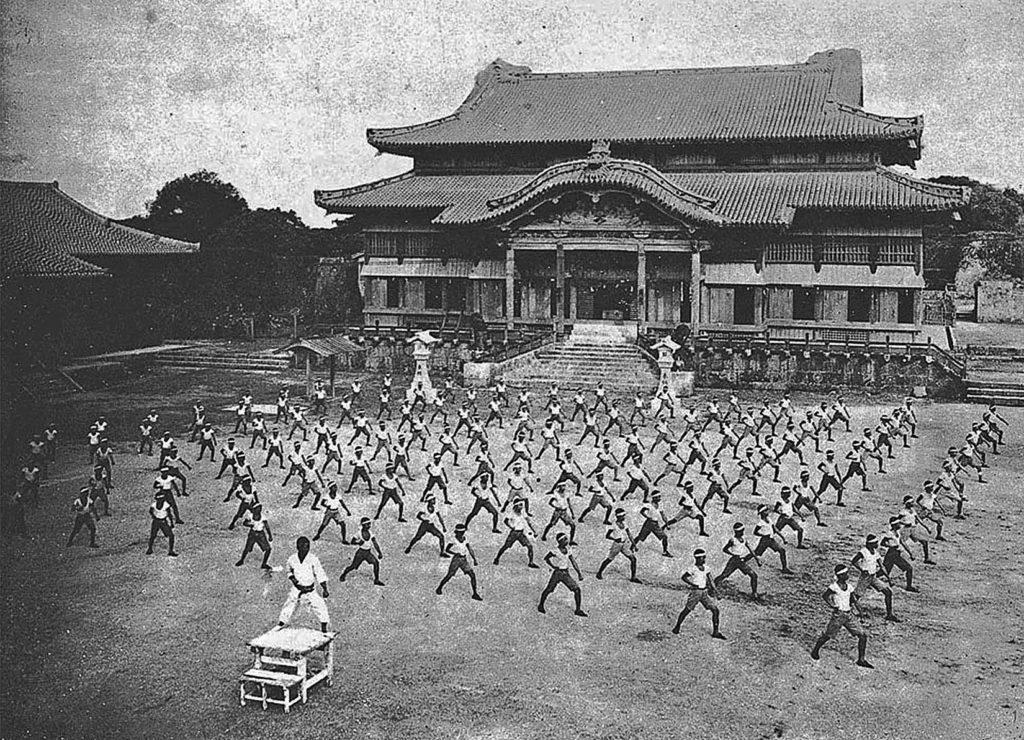
This was how the following “styles” of Karate were introduced to Japan and then became the foundation for the various styles which developed in Japan and eventually spread to the world.
Gichin Funakoshi one of the first instructors to bring Karate to Japan and often called the father of modern Karate makes the point strongly that there are no styles, there is only Karate. His Dojo was named Shotokan based on his pen name for writing poetry, or the house of Shoto. This he said was not the name of the style as what he taught is simply Karate. This is reflected in the name that was chosen by his association to promote the art in Japan and the world – The Japan Karate Association or JKA. Styles became the norm in world karate and the following foundation styles developed into the following styles.
Shuri Te / Shorin Ryu from the Shuri region in the city of Naha. Following modern styles came form this root style
- Shotokan
- Shito Ryu – was also influenced by Naha Te
- Shukokai
- Shorin Ryu
Tomari-te refers to a tradition of martial arts originating from the village of Tomari in Okinawa. This developed in the following:
- Wado Ryu
- Shorniji Ryu
Naha Te / Shorei Ryu from the city of Naha which developed into ye following modern styles:
- Goju Ryu
- Uechi Ryu
- Shito Ryu – was also influenced by Shuri Te
The following link provides some wonderful background on the martial arts practised in Okinawa, imported to Japan and then rest of the world after the second world war:
https://en.wikipedia.org/wiki/Okinawan_martial_arts
The following founding karate masters were among the first to introduce Karate to the world and their pictures can be found in Dojo all over the world. Budokan SA was influenced by the teaching of all three of these foundation masters through their students who as karate masters, who took Karate from Japan and made karate a force in the world.
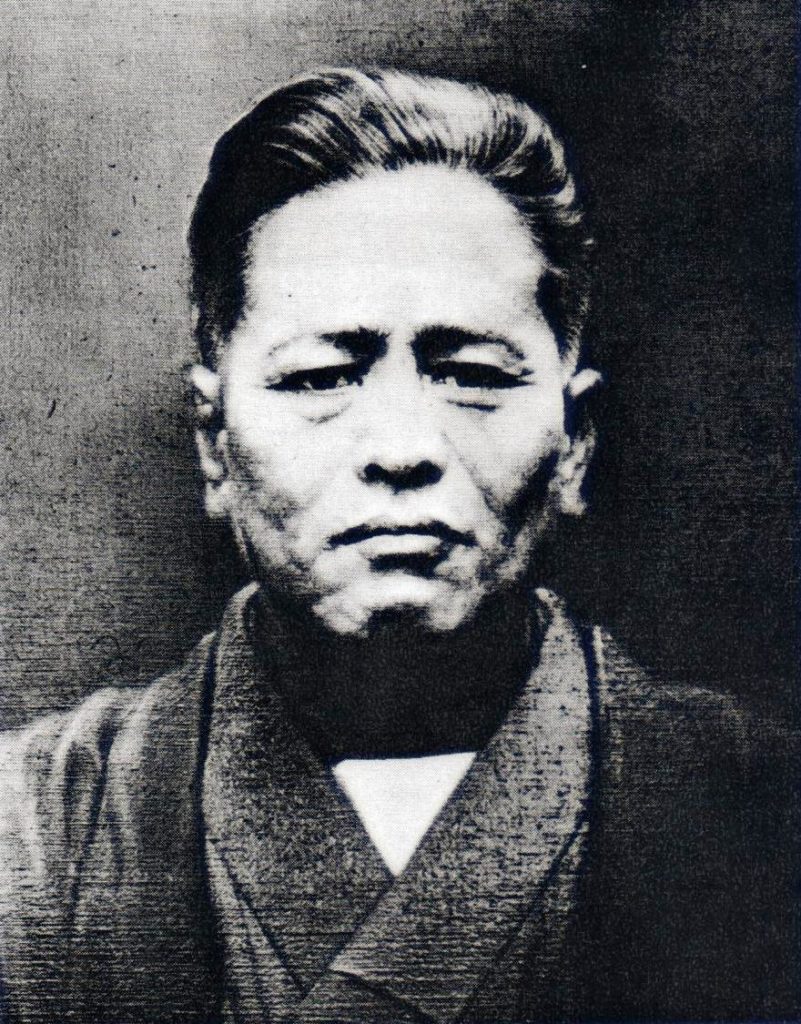
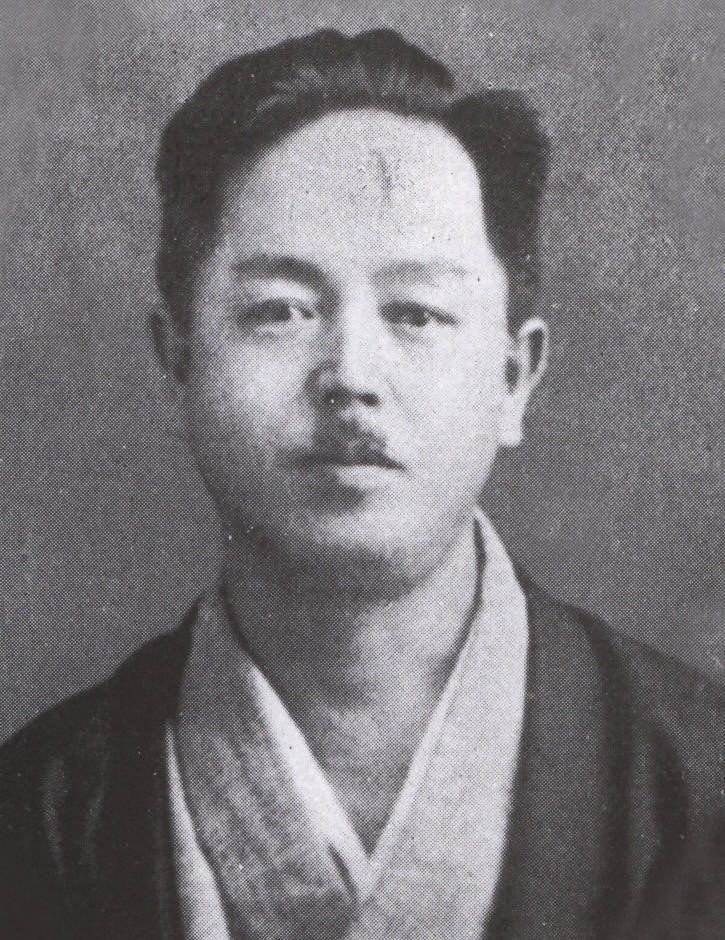
na, his two primary teachers.
The following Wikipedia link provides an excellent background to Shito Ryu:
https://en.wikipedia.org/wiki/Shit%C5%8D-ry%C5%AB
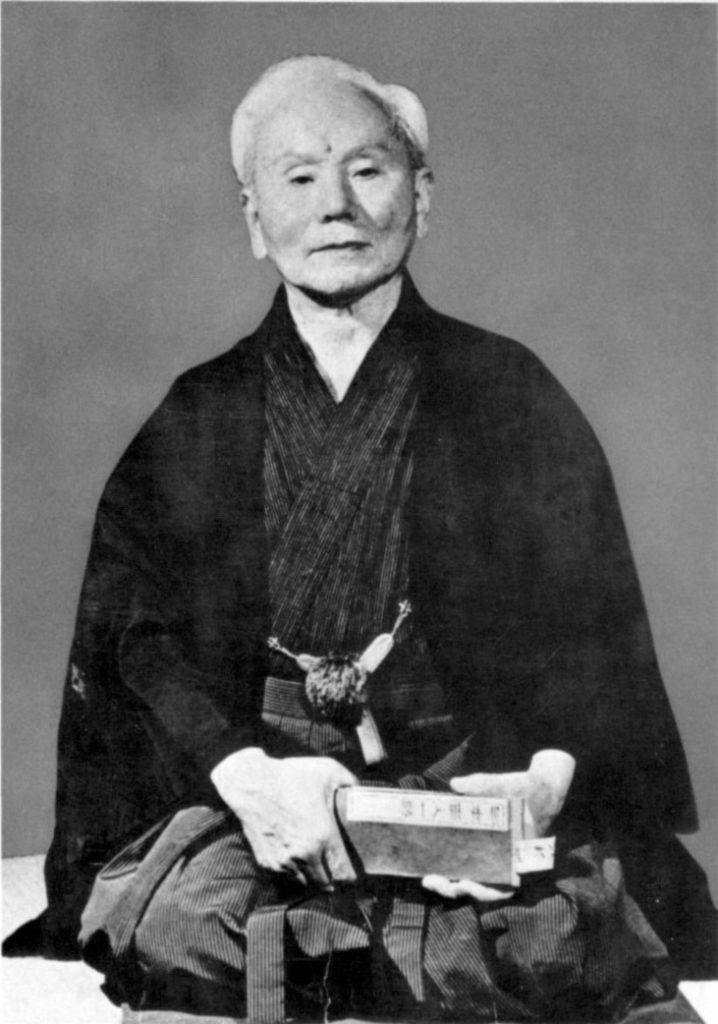
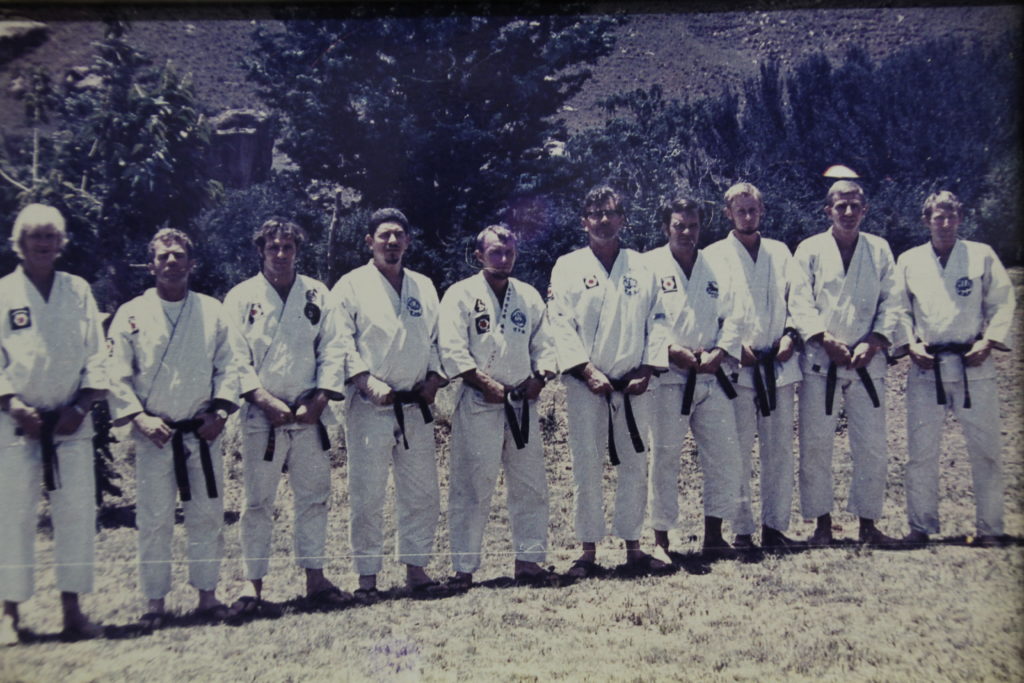
Budokan SA was influenced by all 3 of these original Okinawan foundation arts through our senior instructor’s exposure to the styles that had developed during the introduction of Karate to Japan. Our exposure to karate happened in in the following order:
- Goju Ryu – This was the first style that Hanshi Richard Salmon was introduced to and he received his Shodan in this style.
- Shukokai – Hanshi Richard Salmon was graded in this style and trained and graded in Japan att their head dojo. For some time this was the main style practised at the Budokan Dojo until they developed their own style.
- Shotokan – many of the senior students were exposed to this on the early days when JKA under Sensei Stan Schmidt brought senior Shotokan instructors into SA and invited Hanshi Richard and his students to attend. This style became and remains a dominant force in SA karate under various bodies.
- Budo Ryu was then developed from the above by Hanshi Richard Salmon and Shihan Ray Ryan
- Wado Ryu – Shihan Terry Bosch trained in this style in his early time in karate before joining Budokan SA and was graded Wado Kai Karate / Jiu-Jitsu Affiliated to the World Congress of Martial Arts Shintani Karate Federation. 07th August 2004.
While karate in Budokan SA is based on the Japanese tradition of Karate rather than the Okinawan tradition, as our senior instructors trained with Japanese styles and did not train in Okinawa with the Okinawan styles we can trace our lineage to all three of the Okinawan styles, through our senior instructors exposure to the Japanese styles which developed from these Okinawan roots:
- Nahe Te – Goju Ryu and Shito Ryu
- Shuri Te – Shito Ryu and Shukokai
- Tomari Te – Wado Ryu.
The story of the exposure and influence of these styles on Budokan SA MArtial arts is continued in the next section, where we will explore the visits of our senior instructors to Japan and the influence this had on the development of the karate practised at Budokan SA: https://budokansa.co.za/early-visits-to-japans-masters/